Source Flower Shape Recordable Talking Buttons for Toys
Find 30 flower shape recordable talking buttons for dolls, educational toys, and custom gifts. Compare OEM modules with 60s recording, battery power, and plastic construction to match your product needs; compare the available evidence and request quotations based on your requirements.
Key considerations
Products List


Comprehensive Sourcing Guide
Flower Shape Recordable Talking Buttons Sourcing Guide
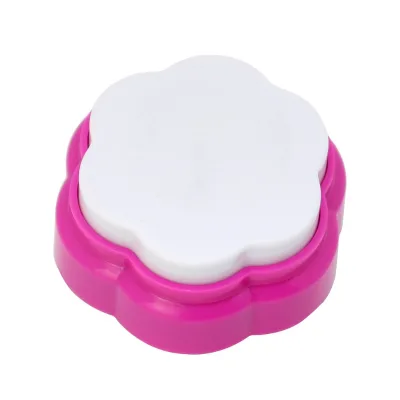
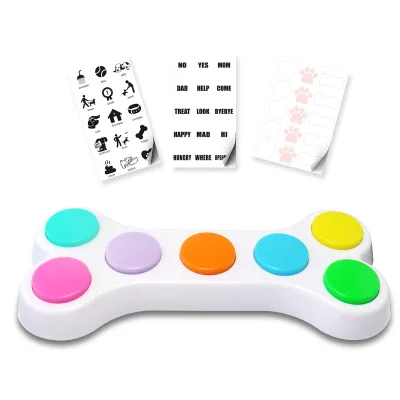
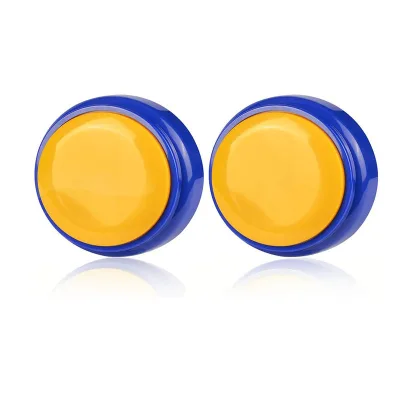
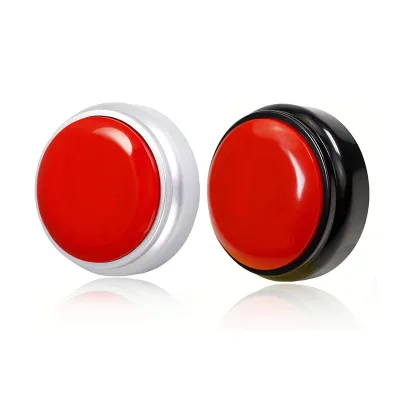
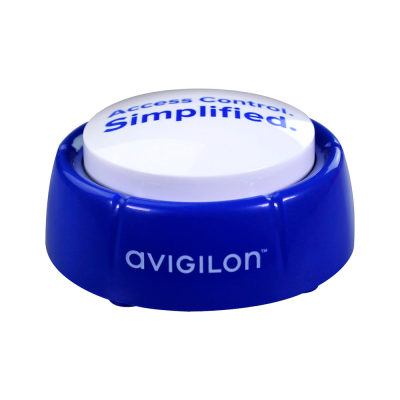
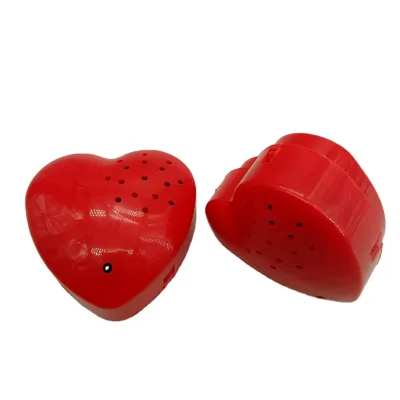
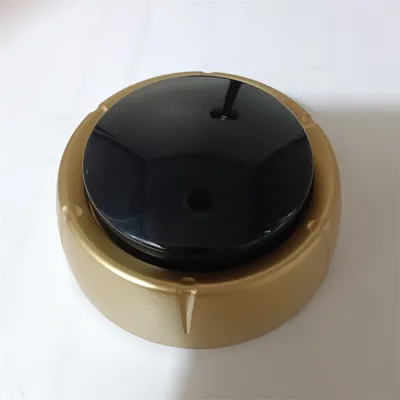
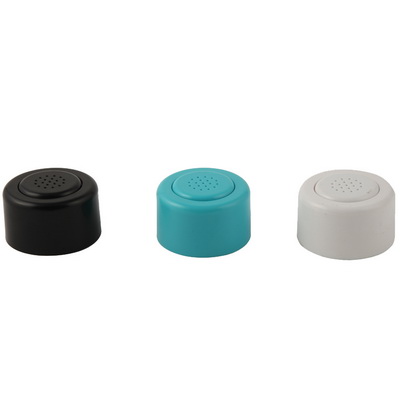
Procurement teams evaluating flower shape recordable talking buttons must first distinguish between decorative keychain modules and larger interactive toy buzzers, as the supplied data reveals distinct product categories under similar branding. The observed listings include small 6x6x3.5 cm units designed for voice recording and playback, alongside larger 300x134x33 mm interactive toys, requiring buyers to verify physical dimensions before finalizing orders.
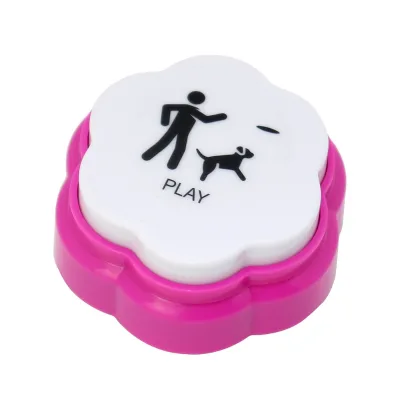
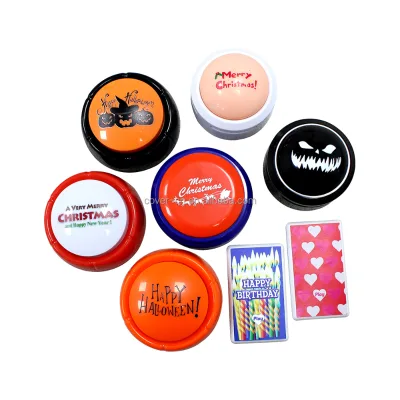
Buyers should also scrutinize the specific shape and color options, noting that while some units are explicitly flower-shaped, others are round or customizable, and colors range from standard blue and gray to OEM Pantone specifications. Understanding these variations is critical because the intended application, whether for doll accessories or general toy buzzers, dictates the necessary packaging and functional requirements for the final product.
Product Scope and Observed Listing Signals
The market for these devices spans from compact 57x57x25 mm modules with 60-second recording capabilities to larger 89x89x35 mm units offering extended sound durations up to 200 seconds. Buyers must carefully match the product size and sound duration to their specific use case, as the observed range includes options for 10 seconds up to 200 seconds, ensuring the selected unit meets the narrative length required for the target audience.
Commercial signals indicate a wide variance in Minimum Order Quantities, with some listings accepting orders as low as 100 pieces while others require volumes up to 20,000 units. This disparity necessitates a clear assessment of inventory needs, as the observed MOQ of 500 pieces for certain OEM designs may not align with the 100-piece entry point found in other listings, directly impacting initial capital expenditure.
Technical Specifications to Verify
Technical due diligence requires confirming the power source and battery configuration, as observed products utilize either battery power generally or specific 3*AG-13 battery setups. Buyers must verify the exact battery type and capacity to ensure the device can sustain the required sound duration without premature failure, especially for products intended for long-term use in toys or collectibles.
The sound format and playback mechanism are equally critical, with observed specifications supporting MP3 or WAV formats and functions triggered by pressing a button. Procurement teams should validate that the selected module supports the desired audio file types and that the physical button mechanism is durable enough for the intended frequency of use, particularly for interactive toys where repeated pressing is expected.
Compliance and Safety Documentation
Safety compliance is a primary concern, with observed listings explicitly stating CE and RoHS certifications for the plastic components and electronic modules. Buyers must request current test reports to verify that these certifications apply to the specific batch being ordered, ensuring that the plastic materials and electronic circuits meet the safety standards required for the target export markets.
Documentation should also cover the material composition, as the observed products are constructed from plastic or ABS plastic, which must be free from hazardous substances. Procurement teams need to confirm that the supplier can provide material safety data sheets and that the manufacturing process adheres to the relevant environmental and safety regulations for children's toys and electronic accessories.
Cost Drivers and Commercial Terms
Pricing structures are influenced by the complexity of customization, with OEM designs allowing for specific shapes, colors, and sound content that drive up unit costs compared to standard off-the-shelf items. Buyers should anticipate that customized flower shapes and specific sound durations will result in higher per-unit prices, necessitating a detailed cost-benefit analysis before committing to large volume orders.
Commercial terms vary significantly based on the observed MOQ ranges, with some suppliers requiring 20,000 units while others accept 100 units, directly affecting the total landed cost. Procurement teams must negotiate packaging details, such as the 1pc/white box or 1pc/poly bag options, as these add to the overall cost and must be factored into the final budget to ensure profitability.
Supplier Qualification and Quality Control
Supplier qualification should focus on their ability to handle OEM and ODM requests, as the observed listings confirm that customization is accepted for both design and branding. Buyers must assess the supplier's capacity to manage the entire customization workflow, from providing Pantone color numbers to integrating specific sound files, ensuring they can deliver a product that matches the exact design specifications.
Quality control protocols must address the physical integrity of the plastic casing and the reliability of the recording module, given the observed single gross weights ranging from 0.113 kg to 0.6 kg. Procurement teams should implement incoming inspection checks to verify that the flower shape or round design is consistent and that the button mechanism functions correctly without sticking or failure.
Long-Term Procurement Checks
Long-term success depends on establishing a reliable supply chain for replacement parts and future customization needs, as the observed product lines include various models like the HR-R6 and HR-SB47-1. Buyers should secure agreements that allow for consistent reordering of specific modules and ensure that the supplier can maintain the same quality standards over multiple production cycles.
Continuous monitoring of the product's performance in the field is essential, particularly regarding the battery life and the durability of the plastic components under repeated use. Procurement teams should gather feedback on the sound clarity and button responsiveness to identify any potential design flaws early, ensuring that future orders can be adjusted to meet evolving market expectations.
FAQs
Can I customize the flower shape and color of the recording module?
Yes, OEM and ODM services are accepted for custom designs. You can specify the flower shape and provide a Pantone color number for the plastic casing. The product supports customized music and branding, allowing you to tailor the appearance and audio content to your specific toy or doll requirements effectively.
What is the minimum order quantity for these voice recording boxes?
The minimum order quantity varies by product specification. Some models require a minimum of 100 pieces, while others may start at 500 pieces or higher, up to 20,000 units. Buyers should check the specific model details to confirm the exact MOQ applicable to their order volume and customization needs.
How long does the recorded voice play on these modules?
The sound duration depends on the specific model selected. Available options include 10, 15, 30, 60, 90, 120, 150, and 200 seconds. The modules support MP3 or WAV sound formats, allowing you to choose the recording length that best fits your toy or interactive product application.
What certifications do these recordable talking buttons have?
These modules are certified with CE and RoHS standards, ensuring compliance with safety and environmental regulations. This certification is essential for selling toys and interactive products in international markets, particularly in Europe and other regions requiring strict adherence to electronic component safety and material restrictions for consumer goods.
What type of battery powers the flower shape voice module?
The modules are powered by batteries, such as 3*AG-13 cells, depending on the specific model. The design allows for easy battery replacement, ensuring the device remains functional for repeated use. Buyers should verify the exact battery type required for their chosen model to ensure proper operation and longevity.
Where are these custom voice recording modules manufactured?
These modules are manufactured in Guangdong, China, a major hub for electronics and toy component production. The location supports efficient supply chain logistics and OEM services. Buyers can expect reliable production capabilities and access to a wide range of customization options for their specific product requirements and branding needs.